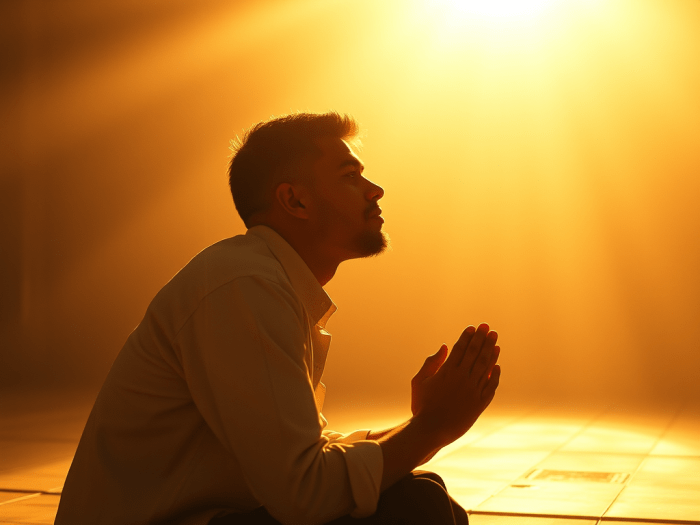
The Joyful Surrender of a Redeemed Life

Salvation by grace is not merely a transaction—it is a transformation. When a person truly encounters the grace of God, something profound happens within them. They are no longer motivated by external rules or solemn obligations to serve Christ. Instead, their new life in Him compels them to joyful obedience.

Charles Spurgeon captures this truth beautifully: “A person who is really saved by Grace does not need to be told that he is under solemn obligations to serve Christ. The new life within him tells him that. Instead of regarding it as a burden, he gladly surrenders himself, body, soul, and spirit, to the Lord.”

Too often, Christian service is viewed as a weight—something we must do to prove our faithfulness. But the one who has truly been redeemed does not serve out of duty, but out of delight. The heart that has been changed by Christ wants to follow Him. The soul that has been set free longs to walk in obedience. The transformed believer does not view surrender to God as a loss, but as the highest privilege.

Surrender Rooted in Grace, Not Obligation

There is a stark difference between serving Christ out of obligation and serving Him out of love. The first is rooted in religious performance, an effort to meet some perceived requirement to earn God’s favor. The second flows from the realization that we have already received God’s favor through Jesus. When we grasp the depth of His love and grace, our response is not reluctant compliance but willing devotion.

Paul affirms this in 2 Corinthians 5:17: “Therefore, if anyone is in Christ, he is a new creation. The old has passed away; behold, the new has come.” This transformation is not just theoretical—it is practical. A heart filled with gratitude and love for God no longer asks, “What must I do?” but instead, “How can I offer my life fully to the One who saved me?”

This kind of surrender is not merely about actions; it’s about identity. The believer who understands grace recognizes that their very existence now belongs to Christ. This is why Paul also writes in Romans 12:1, “I appeal to you therefore, brothers, by the mercies of God, to present your bodies as a living sacrifice, holy and acceptable to God, which is your spiritual worship.” Our lives are not our own—they are His, and offering them back in joyful surrender is our natural response to His mercy.

The Burden of Self vs. The Freedom of Surrender

The world often frames surrender as weakness, but in God’s Kingdom, surrender is where true strength and freedom are found. Holding on to control, insisting on our own way, and striving in our own power leads to exhaustion, frustration, and ultimately spiritual stagnation. We were not created to be our own masters. The more we grasp for control, the more burdensome life becomes. But when we release our grip and trust in God’s perfect will, we find rest for our souls.

Jesus Himself calls us into this freedom: “Come to me, all who labor and are heavy laden, and I will give you rest. Take my yoke upon you, and learn from me, for I am gentle and lowly in heart, and you will find rest for your souls. For my yoke is easy, and my burden is light.” (Matthew 11:28-30)

The paradox of surrender is that it does not bring restriction, but liberation. We are freed from the weight of self-reliance and ushered into a life of divine dependence, where God carries what we cannot. When we cease striving and rest in Him, we discover that His grace is sufficient and His power is made perfect in our weakness (2 Corinthians 12:9).

Living in Surrender Daily

Surrendering to Christ is not a one-time decision; it is a daily posture of the heart. Every day, we must choose whether we will live for ourselves or for Him. The enemy would have us believe that surrendering to God means giving up something precious. But in reality, it is only through surrender that we receive what is truly precious—eternal joy, peace that surpasses understanding, and a life that bears fruit for His Kingdom.

Surrender is practical. It means letting go of our pride and allowing God to shape us. It means releasing our plans and trusting in His. It means forgiving when we would rather hold on to bitterness. It means loving sacrificially, even when it’s inconvenient. It means obeying His voice, even when we don’t fully understand where He’s leading. And through all of this, it means remembering that we do not surrender alone—God’s Spirit empowers us to live this life of joyful submission.

The Joy of a Life Fully Given to Christ

A surrendered life is a joyful life. Not because it is easy, but because it is anchored in Christ’s sufficiency. When we let go of our illusions of control and allow Him to take the lead, we walk in step with His perfect will. We experience the deep, abiding joy of knowing that our lives are being used for something greater than ourselves. And in that, we find true fulfillment.

May we live not as those burdened by obligation, but as those compelled by love. May our surrender be not reluctant, but joyful. May we echo the words of the psalmist: “I delight to do Your will, O my God; Your law is within my heart.” (Psalm 40:8)

True grace produces true surrender, and in that surrender, we find the greatest joy. Let us live in that joy today.

Stewarding Health: Choosing Discipline Over Quick Fixes

In a world where medical advancements provide solutions for countless ailments, it has become all too common to default to medication as the first line of defense against physical and mental health struggles. While there are certainly legitimate medical conditions that require pharmaceutical intervention—thank God for modern medicine and the ability to diagnose and treat serious health issues—many of the difficulties we face could first be addressed by examining and refining our daily habits.

Consider for a moment that your fatigue, anxiety, brain fog, or sluggishness might not be rooted in an underlying disease, but rather in the choices you make on a daily basis. Our culture often seeks quick fixes, opting for prescriptions when, in many cases, the root problem is a lifestyle that is out of balance. Before masking symptoms with external solutions, why not first take control of the aspects of your life that you can change?

A good starting point is how we manage our time and attention. The prevalence of screens—phones, televisions, tablets, and gaming consoles—has significantly impacted sleep quality and mental clarity. Turning off screens at least two hours before bed can drastically improve restfulness and cognitive function. Similarly, engaging in more face-to-face conversations fosters deeper human connection, reduces stress, and reinforces emotional resilience. We were designed for community, and investing in meaningful relationships provides the accountability and support we often lack when navigating personal struggles.

Another often overlooked factor is the role of discipline in shaping our well-being. Setting goals, maintaining structure, and prioritizing daily tasks create a sense of purpose and stability. When our lives lack order, our minds tend to mirror that chaos. Establishing clear routines—including getting sufficient sleep, setting aside time for reading and learning, and engaging in physical activity—contributes to overall mental and physical health. Rather than depending on artificial stimulants to get through the day, intentional lifestyle choices such as proper rest and mindful movement can naturally enhance energy and focus.

Nutrition also plays a vital role in mental and physical function. Many of the foods that dominate modern diets—high in saturated fats, refined sugars, and empty carbohydrates—are counterproductive to optimal health. Preparing meals with natural ingredients and balancing macronutrients can make a remarkable difference in energy levels, mood stability, and cognitive clarity. Instead of reaching for processed convenience foods, taking the time to nourish the body properly is an investment in long-term wellness.

Movement is another key component of health that is often neglected. Our bodies were designed for activity, yet many of us lead sedentary lifestyles that contribute to feelings of lethargy and weakness. Walking, stretching, lifting, and engaging in regular physical exertion supports not only physical strength but also mental clarity and emotional regulation. If daily routines don’t naturally incorporate movement, it is essential to be intentional about adding activity—whether through structured exercise, outdoor activities, or active hobbies.

To be clear, there are genuine medical conditions that require professional treatment, and no one should feel shame in seeking necessary care. However, the goal is to be discerning, to evaluate our habits honestly, and to ask whether our struggles stem from avoidable lifestyle choices. Before turning to medication, consider first making intentional adjustments. Small but consistent changes—better sleep, healthier food choices, meaningful relationships, structured discipline, and physical movement—can have a profound impact on overall well-being.

God has given us incredible bodies and minds, designed to function optimally when cared for properly. Before seeking external solutions, take the time to steward well the life and health He has entrusted to you. You may be surprised at how much can change when you focus on what you can control.

Blessed to Be a Blessing

I’m living a life I can’t take a bit of credit for! Only a loving God could write this story. I am blessed way beyond what I deserve, thanks to God’s abounding grace and mercy. Blessed are You, Lord our God, King of the Universe, Creator, and Savior of my soul. #SoliDeoGloria

What do I do with this blessing?

When faced with the abundance of God’s grace and mercy in my life, I am presented with three potential responses. Each reflects a different perspective on the gifts God has given me and the way I choose to steward them.

Do I claim it for myself? I can tell myself that I deserve these blessings—and more. With this mindset, I adopt an attitude of entitlement, refusing to sacrifice anything for my occupation, employer, community, church, or family. The reasoning becomes simple: no one else is doing these things for me, so why should I extend myself for others? This perspective leads to self-centeredness, a narrowing of vision where God’s blessings become confined to my personal benefit, rather than being used to bless others. It’s a path that ultimately disconnects me from the broader mission of God’s kingdom.

Do I hoard it for my own benefit? I can choose to bank the blessings I receive, using them strategically for my own advantage. In this approach, I give back or reciprocate only what is required, visible, or sure to gain me recognition. This transactional mindset treats God’s generosity as a limited resource, something to be rationed and carefully allocated for maximum personal gain. By operating in this way, I reduce the transformative nature of grace to mere currency, losing sight of its true purpose and power.

Can I act as a conduit of God’s blessing. I can view myself as a vessel for God’s blessings, letting what flows to me flow through me to others. This perspective recognizes that I am not the ultimate recipient of these gifts, but rather a steward called to extend them outward. When I see myself as a conduit, I no longer keep score. I’m not concerned with who notices or what credit I receive, because the only One keeping track is the source of all blessings—God Himself. This response aligns my life with the character and mission of Jesus, allowing His grace and love to flow freely through my actions.

The third response is the only choice for those who truly desire to be WITH Jesus, be LIKE Jesus, and DO what Jesus did. To live as a conduit of God’s blessings is to embrace the transformative power of grace, allowing it to overflow into the lives of others. It shifts the focus from self-preservation to selfless giving, mirroring the life and ministry of Christ. Jesus did not hold back His love, mercy, or generosity; instead, He poured it out abundantly, even at great personal cost.

When I consider the blessings in my life, I am reminded of the responsibility they carry. These blessings are not mine to hoard or claim as my own; they are opportunities to reflect God’s love and character to the world. To live as a conduit of blessings means adopting a posture of humility, recognizing that every good and perfect gift comes from above (James 1:17). It means understanding that my purpose is not to accumulate, but to distribute—to let God’s grace flow through me in ways that uplift, encourage, and transform those around me.

This perspective challenges me to reevaluate how I approach generosity and service. Am I giving freely, or am I calculating my actions to ensure they benefit me? Am I reflecting Christ’s selflessness, or am I holding back, afraid of what I might lose? Living as a conduit requires trust—trust that God’s provision is sufficient, and that as I give, He will continue to supply all my needs according to His riches in glory (Philippians 4:19).

Let us daily ask ourselves: How can the blessings in my life serve as a testimony to God’s grace and an instrument of His kingdom? Am I using these gifts to further my own interests, or am I allowing them to flow outward, reflecting the generosity of the One who gave them? The call to be a conduit of blessings is not always easy—it requires sacrifice, vulnerability, and a willingness to put others before ourselves. But it is also deeply rewarding, as it brings us closer to the heart of God and allows us to participate in His redemptive work in the world.

May we choose to live as conduits, not containers, of the abounding grace that flows from the heart of God. In doing so, we reflect the love, mercy, and generosity of our Creator, living out our calling to be His hands and feet in a world desperately in need of His blessings.

Transform Your Space, Transform Your Life

The spaces we inhabit—our rooms, workstations, vehicles, and other personal environments—are not merely neutral settings; they serve as outward reflections of our inner lives. A cluttered or disordered space often mirrors unresolved inner turmoil or emotional disarray, functioning as a tangible representation of the disorganization within our minds and hearts. These physical spaces are, in many ways, a visible extension of the invisible realities shaping our inner worlds.

Engaging with the external can become a practical and accessible starting point for fostering internal transformation. When the complexities of spiritual or emotional renewal feel daunting, turning our attention to the physical spaces we control offers a pathway toward clarity and order. By decluttering, organizing, and intentionally structuring our surroundings, we initiate a process that can ripple inward, cultivating mental focus, emotional stability, and spiritual clarity. These acts of external organization are not ends in themselves but are deeply connected to fostering peace and purpose within.

This process moves beyond superficial neatness. It represents an intentional effort to harmonize our external environments with our inner aspirations. Caring for our physical spaces reflects a broader spiritual discipline—a commitment to steward well the resources and responsibilities God has entrusted to us. Such alignment underscores the holistic nature of spiritual formation, where external order serves as a metaphor and mechanism for internal renewal.

Moreover, this practice mirrors the biblical principle of stewardship and self-discipline, inviting us to align every aspect of our lives with the values and priorities of Christ. As we work to bring order and care to our environments, we embody a tangible expression of living in alignment with His teachings. This process of ordering our physical spaces becomes a spiritual exercise, fostering a sense of readiness to embrace the transformative work of the Holy Spirit.

Through these intentional actions, we affirm the intrinsic connection between the physical and spiritual dimensions of our lives. By mindfully attending to our environments, we open ourselves to the formative power of God’s grace, creating space for transformation to occur both within and without. This alignment fosters not only personal growth but also a deeper capacity to live out the mission and calling to which Christ invites us.

Understanding Authentic Discipleship Through Christ’s Teachings

Too often, the approach to discipleship is framed as an effort to delicately integrate Jesus into someone’s life, as though He is an accessory meant to enhance a fundamentally broken and unsatisfactory existence. This perspective reduces Jesus to a supplement, carefully folded into pre-existing frameworks rather than seen as the transformative force that He truly is. Such an approach raises a critical question: how can this approach align with the transformative nature of Christ’s mission?

Jesus’ own description of discipleship leaves no room for ambiguity or half-measures. His words are stark and uncompromising: “If anyone wishes to come after me, let him deny himself, take up his symbol of humble sacrifice (death), and follow me.” (Matthew 16:24, ESV). These words articulate a paradigm of discipleship that is anything but casual. It is a call to complete reorientation—a renunciation of self and a wholehearted embrace of a life defined by sacrificial obedience.

The invitation to follow Christ is not an offer of convenience or superficial enhancement. It is, instead, a summons to radical transformation. Discipleship demands a relinquishing of self-interest, an intentional taking up of the cross, and a steadfast commitment to conform one’s life to the way of Christ. It is a process that involves the dismantling of old patterns and priorities, making way for a new life built entirely on the foundation of Christ’s sufficiency and grace.

Authentic discipleship requires an honest confrontation with the brokenness inherent in human lives—both our own and those we guide. It is not about merely applying a veneer of religious observance to address surface-level issues. Instead, it is a recognition that Jesus offers more than a remedy for symptoms; He provides the very foundation for a life redeemed and restored. The abundant life that Christ promises emerges not through the preservation of personal comforts but through the surrender of self and the embracing of His call to sacrificial love and service.

To dilute the radical nature of Jesus’ call by softening its demands undermines the transformative power of the gospel. Discipleship is not a process of gradual accommodation to Christ’s teachings; it is an all-encompassing redefinition of identity and purpose. The challenge, therefore, is to faithfully communicate and embody this reality in our efforts to disciple others.

Let us resist the temptation to domesticate the gospel for the sake of comfort or accessibility. Instead, let us embrace the profound and transformative power of Jesus’ invitation—a call that invites us to lay down our old ways and enter into the fullness of life that only He can provide. In doing so, we honor not only the radical message of Christ but also the transformative potential of His grace in the lives of those we disciple.

Unmasking Cultural Influences on Faith

“Powerful forces have a vested interest in our believing the myth (and it is a myth) that we are following no one at all. Many of the cultural liturgies that indoctrinate us daily—’Be true to yourself,’ ‘You do you,’ ‘Speak your truth’—can be traced back to sources with a nefarious agenda.

Any skilled con artist knows the key to deceiving your mark is to get them to believe your scheme was their idea. Translation: The key to getting people to follow you is to convince them they aren’t following anyone at all.

For those of us who desire to follow Jesus, here is the reality we must turn and face: If we’re not being intentionally formed by Jesus himself, then it’s highly likely we are being unintentionally formed by someone or something else.”

— John Mark Comer

Cultural Liturgies and Hidden Influences

These cultural liturgies are not merely coincidental trends but carefully crafted messages designed to appeal to our intrinsic desire for autonomy and self-determination. They exploit our human inclination to resist authority while simultaneously promoting a framework that subtly installs alternative influences in place of the ones we consciously reject. By championing slogans of self-empowerment, these forces obscure the reality of our constant formation by external factors. The very act of believing that we are “free agents” often blinds us to the mechanisms shaping our identity and values.

A fundamental principle of manipulation, well understood by skilled con artists, is the ability to deceive by making the mark believe that the scheme is their own idea. In other words, the most effective form of control occurs when individuals are convinced they are not being controlled at all. This principle underscores a critical aspect of human behavior: we are all being formed, whether or not we realize it. The narratives we consume, the habits we cultivate, and the cultural practices we engage in act as subtle yet powerful forces shaping our understanding of reality.

The Call to Intentional Discipleship

For those who seek to follow Jesus, this reality carries profound implications. If we are not being intentionally and actively shaped by the teachings and example of Jesus Christ, we are almost certainly being shaped unintentionally by external cultural forces, societal expectations, or media influences. Formation is inevitable; what varies is the source and direction of that formation. Even the most passive engagement with culture results in some degree of spiritual and ideological shaping, often leading us further from the transformative power of Christ.

This observation challenges us to critically examine the influences shaping our lives. Are we consciously aligning ourselves with the transformative power of Christ, or are we passively conforming to cultural narratives that often prioritize self-interest and consumerism? The process of discipleship is never neutral; it is always active. The question is not whether we are being discipled but rather who or what is doing the discipling. While cultural mantras may appeal to our desire for self-definition, they often mask the deeper influence of ideologies and institutions that subtly reorient our lives away from God’s purposes.

Surrendering to Christ’s Transformative Power

To follow Jesus requires a deliberate choice to reject passive formation and instead pursue intentional spiritual growth. This means aligning our hearts, minds, and behaviors with His teachings, allowing His presence to guide and transform us. It demands vigilance against the subtle yet pervasive forces seeking to draw our focus away from Him and toward transient, self-centered ideals. Intentional discipleship is an ongoing process of choosing Jesus over competing narratives, one that requires consistent engagement with Scripture, prayer, and the community of faith.

The formative power of Jesus’s teachings lies not only in their moral directives but in their capacity to reorient our affections and desires. As we immerse ourselves in His Word and seek His presence, we begin to see how our identity is reshaped to reflect His character. This process of sanctification involves both a rejection of the false narratives of autonomy and an embrace of the freedom found in surrender to Christ. True freedom is not found in the absence of influence but in the presence of a loving Savior who guides and transforms us.

Living in Freedom Through Discipleship

Ultimately, this is more than a cautionary reflection; it is a theological call to action. Recognizing the inevitability of formation compels us to actively choose Christ as the source of our transformation. In doing so, we resist the cultural forces that seek to define us and instead embrace the redemptive and renewing work of God. Through intentional discipleship, we can move beyond the influence of deceptive narratives and fully participate in the life-changing work of Christ’s kingdom.

Examining Our Daily Rhythms

Furthermore, this call to intentional formation challenges us to examine the rhythms of our daily lives. What habits are we cultivating, and what narratives are we reinforcing through those habits? Are we allowing the Word of God to shape our perspectives, or are we passively absorbing the values promoted by culture? The practice of spiritual disciplines—such as meditative prayer, communal worship, and acts of service—serves as a counter-liturgy to the pervasive cultural messages that prioritize self over others and autonomy over surrender.

The Role of Community in Formation

The act of discipleship also requires communal accountability. The church, as the body of Christ, provides a space for mutual encouragement, correction, and growth. Within this community, believers can challenge one another to resist cultural conformity and instead pursue lives marked by love, humility, and obedience to God. The church acts as a collective witness to the transformative power of intentional formation, offering a tangible expression of God’s kingdom in a world that often feels fragmented and self-serving.

Final Thoughts

As we navigate this tension between cultural influence and Christ-centered formation, it is essential to remember that the transformative work of discipleship is a gradual process. There will be moments of struggle and failure, but these are not signs of defeat—they are opportunities for deeper dependence on God’s grace. The journey of following Jesus is one of continual renewal, as the Holy Spirit works within us to align our hearts and minds with God’s purposes.

In conclusion, the myth of radical independence is one of the most pervasive deceptions of our age. Recognizing this myth for what it is allows us to step into the reality of intentional formation. By choosing to follow Jesus and rejecting the passive influences of culture, we participate in a transformative process that reshapes our identity, renews our desires, and aligns our lives with the eternal purposes of God. Through this journey, we find not only freedom from the constraints of cultural narratives but also the abundant life promised by Christ—a life marked by joy, purpose, and communion with our Creator.

The Secret to Overcoming Sin: Love God Deeply

“When you finally realize it isn’t about cutting off sin, it’s about loving God so much that your desire to sin no longer exists.”

This profound realization compels a paradigm shift in how we understand sanctification. The pursuit of holiness is often misinterpreted as a checklist—a relentless effort to eliminate behaviors deemed sinful. However, true transformation in Christ transcends mere behavioral modification. It originates in an all-consuming love for God, a love that reorders our desires, recalibrates our priorities, and ultimately reshapes the core of who we are.

An exclusive focus on eradicating sin can easily devolve into an exhausting exercise in self-reliance. While we may succeed in momentarily altering our outward behaviors, such efforts often neglect the deeper roots of sinful desire. Without addressing these underlying inclinations, we are doomed to an endless cycle of relapse and frustration. True transformation is not about exerting greater effort; it is about experiencing a profound and genuine encounter with the love of God—so transformative that it redefines our innermost desires.

When our love for God becomes the focal point of our existence, sin gradually loses its allure. Instead of striving to resist sin out of fear of divine judgment or societal expectations, we find ourselves captivated by the magnificence of God’s goodness, beauty, and holiness. Our motivations shift fundamentally—from fear and obligation to a genuine longing to honor and draw nearer to God. This shift transforms the spiritual journey from a burdensome exercise in willpower to a joyful pursuit of divine intimacy.

Jesus emphasized that the greatest commandment is to love God with all our heart, soul, mind, and strength (Mark 12:30). This implies that every aspect of our being—our emotions, intellect, physical energy, and spiritual essence—should be directed toward a wholehearted love for God. As we pursue this divine love, our lives begin to mirror His character. The more deeply we grasp His boundless love for us, the more we are drawn to reciprocate, and the more the allure of sin diminishes. This transformation is not a product of sheer willpower but a consequence of the Holy Spirit’s transformative work, which refashions our desires from within.

The journey of transformation is not an instantaneous event; it is a lifelong pilgrimage marked by both progress and setbacks. There will be moments when we falter, when old temptations resurface, and when discouragement threatens to overtake us. In those moments, it is essential to maintain our focus on cultivating our relationship with God. As our love for Him deepens, we witness the reshaping of our desires. The temptations that once captivated us begin to lose their significance, supplanted by a more profound yearning for God’s presence, His peace, and His purposes.

It is crucial to remember that this journey is not one we undertake in isolation. The Holy Spirit is our guide, comforter, and source of strength. It is through His power that we are enabled to love God more deeply and release the attachments that hinder our spiritual growth. The path to transformation is not about trying harder; it is about surrendering more fully—allowing God’s love to permeate our hearts and empower the change that only He can effect.

Our primary focus should not be on merely cutting off sin, but on nurturing a deeper relationship with God—loving Him so completely that our hearts are transformed, and our lives become an expression of His grace and love. Embracing the journey of transformation means recognizing it as a process guided by divine love and sustained by the Spirit’s power. In doing so, we discover that true freedom is not found in our ability to resist sin through sheer effort but in a growing love for God that naturally displaces our desire for anything contrary to His nature.

The objective is not human perfection achieved through our own strength, but rather an ever-deepening intimacy with God. As we draw nearer to Him, our hearts undergo transformation, and the grip of sin gradually weakens. The more we focus on loving God, the less power sin holds over us. True transformation occurs when we shift our attention from the sins we are trying to avoid and instead fix our gaze upon the God we love—allowing His love to renew our hearts and direct our steps.

This journey is not without challenges, but it is precisely in these challenges that we grow in our dependence on God. The trials and temptations we face become opportunities to lean further into His grace, to allow His strength to perfect our weaknesses, and to experience the profound truth that His love is sufficient for all our needs. Transformation, therefore, is not about the elimination of struggle but the reorientation of our desires such that God’s love becomes the compelling force in our lives. As we pursue this love, the superficial allure of sin fades, replaced by an abiding joy that comes from communion with the Divine.

Let us continually strive for a faith that prioritizes loving God above all else. Let us embrace transformation not as an act of self-denial in isolation, but as a response to the immeasurable love of God that draws us nearer, reshapes our desires, and liberates us from the bondage of sin. In this love, we find our true purpose and the freedom to live a life that reflects His glory and grace.

Rethinking the Prosperity Gospel: A Christ-Centered Perspective

God’s love for His children is undeniable. He is a benevolent Father who delights in blessing, prospering, and providing good gifts to His people. These truths form the core of our understanding of God’s nature. However, significant theological distortions arise when concepts such as “blessing,” “prosperity,” and “good gifts” are redefined to align primarily with material desires and worldly comforts. This reductionist interpretation often leads to the misguided belief that divine favor is equivalent to the accumulation of wealth and physical comfort.

It is essential to interrogate whether the possession of wealth and material goods genuinely constitutes God’s blessing. Is prosperity truly about the accumulation of earthly possessions, or is it something more profound?

The prosperity gospel’s fallacy lies in the redefinition of prosperity as the acquisition of “the stuff I want.” This perspective reduces the Creator to a mere means to an end—a divine dispenser of material rewards—placing human desires at the center of the divine-human relationship. The real theological danger here is the subtle yet profound inversion of divine order; it is the enthronement of the self above God, making personal desire the ultimate authority. Such an approach not only undermines the sovereignty of God but also corrupts the nature of prayer, transforming it into an exercise in self-gratification rather than communion with the Almighty. When the self becomes the focal point, the essence of faith is lost, for true worship is always God-centered. It is not about me—it is entirely about Him.

In Colossians 1:18, we find a powerful corrective to the self-centered tendencies of the prosperity gospel: “And He is the head of the body, the church; Who is the beginning, the firstborn from the dead, so that He Himself will come to have first place in everything.” This verse underscores the preeminence of Christ, positioning Him as the ultimate authority over all creation and reminding us that our lives, including our aspirations and definitions of prosperity, must be centered on Him.

The blessings that God bestows are far more nuanced and profound than the acquisition of wealth or physical comfort. True blessing involves aligning oneself with God’s will, submitting to His lordship, and recognizing that genuine prosperity lies in the knowledge of God and conformity to His character. Divine favor is ultimately about transformation—about becoming more Christ-like in our thoughts, attitudes, and actions.

John 3:30-31 further illuminates this idea: “He must increase, but I must decrease. He who comes from above is above all, he who is of the earth is from the earth and speaks of the earth. He who comes from heaven is above all.” This passage calls us to diminish our focus on self and elevate Christ’s role in every aspect of our lives. The journey of faith requires a consistent movement away from self-centeredness toward God-centeredness, recognizing that His sovereignty and His purposes are infinitely greater than our temporal desires.

The true blessings that God desires to impart are of far greater value than any material wealth. They are the blessings of inner peace, enduring joy, spiritual maturity, and a deep, abiding relationship with Him. These are gifts that foster true fulfillment and lasting transformation. To seek His will above our own is to open ourselves to the depth of God’s grace and to the richness of a life lived in harmony with His divine purposes.

The prosperity gospel’s error is not in acknowledging that God desires to bless His children, but in misidentifying the nature of those blessings. God’s ultimate concern is not the gratification of our earthly desires but the salvation of our souls and the cultivation of a deep relationship with Him. The best gifts from God are those that draw us nearer to Him, that strip away our illusions of self-sufficiency, and that allow us to experience the fullness of His grace and love.

As believers, our aim should be to seek a deeper understanding of what it means to be truly blessed by God. Let us move away from equating blessing with wealth and instead recognize that the most profound gifts are those that bring us closer to the heart of God. Let us strive for a faith that places God at the center, where He rightly belongs, and let us trust that in His wisdom, He provides us with all that we need—not necessarily all that we want, but all that will shape us into the image of His Son.

Setting Holiday Boundaries

The holidays can be a challenging time when it comes to family dynamics. Many people feel pressure to grant unlimited access to their time, their energy, and even their homes—all in the name of family. The expectation to be constantly available, to attend every gathering, and to cater to every family member’s wishes, which can often become overwhelming. However, the truth is, people should never have influence on or access to you, your marriage, or your children simply because they are family. Access to me and my children is based on character, not just on blood relations. Just because someone shares our DNA does not mean they automatically earn the right to our innermost spaces, especially if their behavior undermines our peace, values, or well-being.

We tolerate things from family that we would never tolerate from anyone else—and that should not be. Blood is not a fast pass for bad behavior. Too often, we justify the hurtful actions of family members simply because they are related to us, but that mindset can lead to ongoing emotional damage and perpetuate unhealthy patterns. Respect, consideration, and healthy boundaries are just as important in family relationships as they are in any other aspect of life. In fact, setting boundaries with family can be even more critical because of the deep emotional ties involved. By setting these boundaries, we communicate our worth and the importance of maintaining a respectful and loving environment.

Boundaries not only honor Yahweh and protect you, but they also serve as a tool He uses as a first step toward salvation for the other person. When we establish clear limits, we give others an opportunity to reflect on their actions and behaviors. By setting boundaries, we allow God to work in ways that can bring about transformation. Sometimes, people need to feel the natural consequences of their actions in order to change, and boundaries can be the means by which those lessons are learned. It is not about punishment, but rather about fostering growth and encouraging healthier interactions. When we can’t trace His hand, we have to trust His will. Even when it feels difficult or counterintuitive, trusting that God is using these boundaries for a greater purpose can provide the strength needed to maintain them.

Boundaries are often painful, and that’s a good thing. Pain can be a sign of growth and necessary change. Yahweh is not as concerned with our outer comfort as He is with our inner salvation. He often uses discomfort to rescue a person’s soul. The temporary pain of setting a boundary can lead to long-term healing and healthier relationships. It’s important to remember that discomfort does not mean something is wrong; it often means something is being refined. Learning to set and maintain healthy boundaries can be uncomfortable, especially when those boundaries are with family members, but that discomfort is part of the process God uses to draw us closer to Him. By leaning into that discomfort, we allow God to refine our character and deepen our reliance on Him.

Setting boundaries may lead to pushback or even estrangement, but that does not mean you are doing something wrong. Family members who are used to having unchecked access to your life may not understand or accept your boundaries initially. They may react with anger, guilt-tripping, or attempts to manipulate you into reverting to old patterns. It is during these times that it is crucial to stay grounded in your values and remember why the boundaries were necessary in the first place. It is not your responsibility to make everyone happy; your responsibility is to honor God, protect your well-being, and create a healthy environment for yourself and your loved ones. Remember, even Jesus had boundaries—He took time away from the crowds to pray, He chose His close circle of disciples carefully, and He did not always meet others’ expectations of Him.

This holiday season, let’s be intentional about the relationships we nurture and the boundaries we set. Let’s prioritize the well-being of our families—not based on guilt or social expectations, but based on character, love, and the guidance of Yahweh. In doing so, we not only protect our hearts but also create opportunities for genuine growth and transformation, both for ourselves and for those around us. When we set boundaries, we are choosing to foster relationships that are built on mutual respect, love, and understanding rather than obligation and resentment.

Let’s also be mindful that setting boundaries is not about building walls to keep people out, but rather about creating healthy guidelines that allow relationships to thrive. Boundaries create the space for relationships to flourish in a way that honors both parties. When we clearly communicate our needs and expectations, we give others the opportunity to meet those needs and to respect those expectations. This can lead to deeper, more authentic connections. It may take time, and it may require repeated conversations, but the result is worth the effort. Healthy boundaries are an expression of love—not only for ourselves but also for those we are in relationship with.

As we navigate family gatherings, let us also remember the importance of self-care. Setting boundaries is one aspect of caring for ourselves, but it also involves recognizing our limits, giving ourselves permission to rest, and seeking support when needed. The holiday season often brings a whirlwind of activities, and it is easy to become depleted if we are not careful. By prioritizing self-care, we ensure that we have the emotional and physical energy to engage meaningfully with others. This means sometimes saying “no” to an event or request, even if it disappoints someone else. It means recognizing that your worth is not tied to how much you can give or how much you can do for others, but rather in who you are as a beloved child of God.

In conclusion, setting boundaries during the holidays is an act of love, courage, and faith. It is about creating an environment where you, your marriage, and your children can flourish. It is about honoring Yahweh by valuing the gifts He has given you—your time, your energy, and your relationships. It is about trusting that even when it is hard, God is using these moments to bring about something greater, both in your life and in the lives of those around you. This holiday season, let us walk in faith, setting boundaries that reflect our values and trusting that God will use them for His glory and our good.

Faith in Action: Is Voting a Christian Responsibility?

“As a citizen of the Kingdom of God, I worship a King and Savior who actively reigns from His throne of heaven. He is sovereign and is in constant care for and has absolute rule over all HIS creation, for HIS glory and the good of HIS people. As a citizen of a constitutional republic whose government is of the people, by the people, and for the people, I MUST vote. I can not/will not vote for one of the candidates whose platform is being built on everything that God hates. I do not want to vote for the other candidate – one whose personality and behaviors exemplify everything that God hates. It seriously pains me to do so. Both are broken people for whom I pray every time I hear their names mentioned. I am only one, but I will not throw my vote away for a third party or write-in that has no chance of even entering the race with the other two. For more than 12 years, I have expressed my grief that in a country of 340 million people, these are our only options. I will vote for the policies that can best stem the tide of evil in our nation. That is a clear and straightforward choice. Not an easy one. My faith is not in the one for whom I cast a vote, but a vote I must cast. We the people are the authority that God has established in this nation and I must render unto God the things that are God’s. My faith is in the God of the Universe, the promises and precepts of His Word, and the expression of my trust is to live in obedience to and uphold His commands.” – Darryl Jones

Faith and Voting: A Reflection on Christian Civic Engagement

These words encapsulate the profound tension that many believers experience when engaging in the electoral process: How do we reconcile our ultimate loyalty to the Kingdom of God with our responsibilities as citizens of an earthly nation? How do we cast a vote when the options before us fall so far short of the ideals we hold as followers of Christ?

The dual citizenship that Christians hold—as members of God’s eternal Kingdom and as citizens of a constitutional republic—presents a unique and ongoing challenge. This tension is not new; it has confronted believers across history. While our primary allegiance is to our King who reigns from heaven, we are simultaneously called to engage meaningfully with the world around us. We are tasked with being salt and light of the Earth, and this includes participating in civic duties such as voting, advocating for justice, and contributing to the common good.

A crucial aspect of Christian civic engagement is understanding the distinction between personal faith and political action. While our spiritual beliefs form the foundation of our identity and worldview, political action is the means by which we apply those beliefs within the broader social and civic context. Personal faith is an intimate relationship with God that shapes our morals, values, and daily decisions. Political action, on the other hand, is the broader expression of those values within society.

It is essential to recognize that political engagement is not synonymous with spiritual faithfulness. Rather, it is one of the many ways we live out the principles of our faith. Spiritual beliefs guide our decisions regarding which policies to support and which candidates align most closely with biblical values of justice, compassion, and righteousness. Yet political outcomes can not and should not be the ultimate measure of our faith. Our loyalty is to God, whose sovereignty transcends all earthly systems. We are called to be faithful witnesses, trusting in God’s providence while taking responsibility for the influence we wield in the political realm.

One of the most challenging truths we must accept is that no political party or candidate can perfectly embody the values of the Kingdom of God. Human governance, by nature, is deeply flawed and marked by imperfection. The doctrine of human depravity reminds us that all individuals are inherently broken, including those who seek public office. This reality makes voting a process of choosing between imperfect options, requiring discernment about which policies align most closely with biblical principles.

Politics inevitably involves compromise. When we approach the voting booth, we are not choosing between an ideal good and a clear evil but making complex decisions in a fallen world. This process necessitates humility, wisdom, and a clear understanding of our priorities as followers of Christ. We must evaluate candidates and platforms based on their policies and their alignment with the teachings of Scripture, recognizing that none will fully measure up to our ideals.

The conviction that we must vote, even when neither candidate fully embodies Christian values, reflects a nuanced understanding of both our civic duty and spiritual responsibility. Scripture instructs us to pray for our leaders and seek the welfare of the place where we live (Jeremiah 29:7; 1 Timothy 2:1-2). Voting, though fraught with compromise, is one way in which we contribute to the welfare of our community. It provides an opportunity to influence societal direction in alignment with God’s justice, even if the choices are far from ideal.

Prayer is foundational to Christian civic engagement. We should pray for candidates whenever we hear their names. This practice serves as a reminder that our hope does not rest in human leaders or political outcomes but in the sovereign God who reigns over all. Intercessory prayer helps reorient our perspective, reminding us that God is in control, even when political circumstances are uncertain or disheartening. By praying for those in authority, we acknowledge that they, like us, are in need of God’s wisdom, guidance, and grace.

Prayer also allows us to approach the voting process with humility and trust. It guards us against cynicism and despair, helping us maintain our focus on God’s ultimate authority. In an era of deep political polarization, prayer enables us to engage with others—both those we agree with and those we do not—in a manner that reflects Christ’s love and grace. Prayer transforms our civic engagement from a purely political exercise into an act of worship, one in which we entrust our decisions and their outcomes to God.

Moreover, prayer reminds us that our identity is not defined by political affiliations or national loyalties but by our citizenship in God’s Kingdom. It is easy to become embittered or disillusioned by the political climate, but prayer calls us back to the truth that our ultimate allegiance is to Christ. Our engagement in politics must flow from this allegiance, grounded in the hope and assurance that God’s purposes will ultimately prevail.

Casting a vote for policies that help stem the tide of evil underscores an important aspect of Christian involvement in politics: stewardship. As citizens of a constitutional republic, we have the privilege of participating in governance. To abstain from voting or cast a vote without practical impact can be seen as neglecting this responsibility. Stewardship in this context means using our influence to advance policies that protect the vulnerable, promote justice, and uphold moral values that reflect God’s character.

Christian civic engagement is not about endorsing a candidate as a savior; it is about exercising the influence we have in a fallen world. Voting is an act of stewardship—a recognition that while we cannot achieve perfection in our political choices, we can work toward a more just and righteous society. This perspective encourages us to remain engaged, even when the process is filled with compromise and complexity.

Stewardship extends beyond voting itself. It involves an ongoing commitment to advocate for justice, serve our communities, and hold our leaders accountable. Voting is just one aspect of our broader responsibility to be agents of change. It is an opportunity to contribute to the common good, but it must be paired with a willingness to act in other ways that embody the love and justice of Christ.

Consider the example of William Wilberforce, a member of the British Parliament during the late 18th and early 19th centuries. Wilberforce was a committed Christian who used his political career as a platform for advancing God’s justice. He dedicated his life to the abolition of the transatlantic slave trade, driven by the conviction that his faith compelled him to fight against such a grave violation of human dignity. Wilberforce’s advocacy was rooted in his understanding that all people are made in the image of God, and his political work was an expression of his personal faith. Despite his flaws, which included a tendency towards self-doubt and an ongoing struggle with poor health, William Wilberforce’s persistence and dedication led to the abolition of the slave trade in the British Empire, demonstrating how personal faith can drive meaningful political change. Wilberforce’s moral campaigns sometimes came across as imposing his views on others rather than embodying grace, which garnered criticism. Additionally, his gradual approach to emancipation could be critiqued as lacking the urgency that true Christian compassion might demand, reflecting the complexities and imperfections in his advocacy. His challenges remind us that even those who are deeply committed to their faith can struggle personally, yet still make significant contributions to society.

Similarly, the Civil Rights Movement in the United States offers a powerful example of faith informing civic action. Dr. Martin Luther King Jr., a Baptist minister, drew deeply from his Christian faith in his pursuit of racial justice. King was known to struggle with periods of depression, and he faced significant ethical scrutiny over allegations of infidelity. Additionally, his association with socialist ideas brought further criticism from those who viewed his stance as controversial or outside mainstream American values. Despite his imperfections, King’s leadership in nonviolent protests, grounded in the teachings of Jesus, played a pivotal role in challenging and transforming unjust laws and practices. His life exemplifies how spiritual convictions can and should inform civic engagement, particularly in the face of systemic injustice.

In a political climate that often leaves us disillusioned, it is crucial to remember that our faith is not in any candidate or party. Our hope rests in the God of the universe, whose sovereignty transcends all human systems. We do not vote because we believe any candidate can fully embody the righteousness of God’s Kingdom; rather, we vote because we trust that God can work through even flawed individuals to accomplish His purposes.

As citizens of both the Kingdom of God and this earthly nation, we must engage in the political process without losing sight of our ultimate allegiance. Our calling is to live in obedience to God’s commands, to love our neighbors, and to seek His justice and righteousness in every aspect of life—including our role as voters. Our engagement in politics should be marked by humility, integrity, and an unwavering commitment to the values of God’s Kingdom.

It is also important to recognize that our political engagement is ultimately an act of faith. We are called to trust that God is at work, even in the midst of imperfect systems and broken leaders. This trust does not absolve us of the responsibility to act, but it does remind us that the outcomes are in God’s hands. Our role is to be faithful, to do what we can with what we have been given, and to trust God with the rest.

The act of voting is inherently complex, particularly when it feels as though we are choosing between two deeply flawed candidates. Yet it is a choice we are called to make. Our participation in the political process is an expression of our faithfulness—not in human leaders, but in God’s overarching sovereignty. As we navigate these decisions, let us be guided by our allegiance to the King of Kings. May our votes be cast with discernment, humility, and a deep trust in God’s providence.

Ultimately, Christian civic engagement is about embodying the values of the Kingdom of God in every sphere of life. While our choices may be imperfect, our responsibility is clear: to act justly, to love mercy, and to walk humbly with our God (Micah 6:8). As we cast our votes, let us do so with a heart of prayer, a spirit of stewardship, and a firm reliance on the God who reigns over all.

Our engagement does not end at the ballot box.